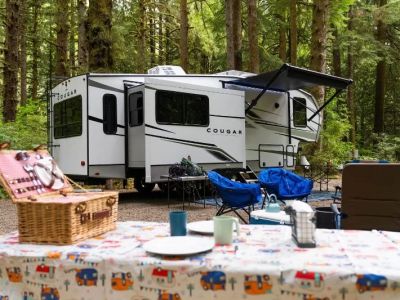
Looking for camping near you? Explore top-rated local campsites and campgrounds with real reviews. Discover the perfect spot for a weekend escape, family trip, or outdoor adventure – all near your location.
Find the best RV parks near you with real reviews, full hookups, pet-friendly options, and scenic camping spots. Start your next road trip with trusted local RV campgrounds.
Explore our camping blog for expert tips, gear reviews, campground guides, and outdoor inspiration. Perfect for tent campers, RVers, and nature lovers of all kinds.
Discover recommendations and pro tips for US campers in this complete guide to how to plan, pack, and enjoy your camping trips with expert advice and real experiences.
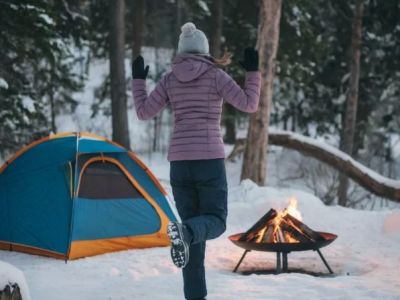
Discover expert tips and essential gear to stay warm while camping, including advice for US campers on how to handle cold weather and make your camping experience enjoyable. How to Stay Warm While Camping: A Complete Guide for US Campers -Understanding-Camping-Conditions -Essential-Warmth-Tips-for-Winter-Camping -Top-Rated-Camping-Gear-for-Cold-Weather -Personal-Experiences-and-Stories -How-to-Maintain-Heat-in-Extreme-Conditions -Choosing-the-Best-Camping-Sites-for-Winter 1. Understanding Camping Conditions When I first started camping in colder weather, I was overwhelmed by how much I didn’t know about staying warm. It’s not just about packing more layers—it’s about understanding the environmental factors that affect your warmth. The most important thing I’ve learned is that staying warm while camping requires both the right mindset and the right tools. 1. Wind is your enemy.One of the biggest challenges to staying warm is the wind. Even when temperatures aren’t extreme, wind can quickly reduce the warmth of your body and your gear. I learned this the hard way on a trip to the Rockies, where gusts near the lake made my warm jacket feel like it was doing nothing. 2. Moisture makes things worse.Whether it’s from rain, snow, or sweat, moisture is a killer when it comes to warmth. I’ve experienced how quickly wet socks can turn a pleasant hike into an uncomfortable ordeal. Keeping your gear dry is just as important as the clothing you wear. 3. Altitude affects temperature.If you’re camping in the mountains, it’s vital to be prepared for how quickly temperatures can drop as you gain altitude. I remember a trip in Colorado where we were caught off guard by a cold snap that dropped temperatures drastically as we moved up the trail. 2. Essential Warmth Tips for Winter Camping Over the years, I’ve discovered a few key practices that have made my cold-weather camping trips far more comfortable. If you’re planning to camp in cold temperatures, these tips could be game-changers. 1. Layering is your best strategy.When I first heard about the "layering system," I thought it was just a buzzword. But after years of winter camping, I can’t overstate how important it is. The key is to have moisture-wicking base layers, an insulating mid-layer, and a waterproof, windproof outer layer. This system keeps me warm and dry, no matter the conditions. 2. Insulated sleeping bags are a must.My first winter camping trip left me shivering all night because I underestimated the importance of a good sleeping bag. A high-quality, insulated sleeping bag that is rated for cold temperatures makes all the difference. I always ensure mine is rated for at least 10 degrees lower than the forecasted lows to be safe. 3. Invest in good insulation for your tent.A cold night in the wrong tent can feel like an ordeal. Since then, I’ve switched to a four-season tent with proper insulation. It helps keep the cold out and retains heat much better than a standard three-season model. 4. Heat packs and hand warmers are lifesavers.Even with the right gear, sometimes you just need that extra warmth. I always pack disposable hand warmers and toe warmers. They are perfect for a quick boost and are small enough to store in my pockets. 3. Top-Rated Camping Gear for Cold Weather To maximize comfort in cold weather, having the right gear is essential. After years of testing different products, I can confidently recommend these items that have kept me warm through various cold-weather camping trips. 1. Therm-a-Rest NeoAir XTherm Sleeping PadThe first time I used this sleeping pad, I couldn’t believe how warm it was. It’s an insulated pad that provides excellent comfort even on cold, hard ground. This one is a must-have for me in winter camping. 2. Big Agnes Sleeping Bags (Super Scout or Summit Series)Big Agnes is known for making excellent sleeping bags. I’ve used their sleeping bags on numerous trips, and they’ve never let me down. Their Super Scout or Summit series are rated for colder temperatures and are my top choice for any winter adventure. 3. MSR WhisperLite International StoveIf you’re cooking in cold weather, you need a stove that can handle low temperatures. The MSR WhisperLite International is an all-season stove that works perfectly in freezing conditions. I’ve relied on it during winter backpacking trips for hot meals and drinks. 4. Columbia Whirlibird IV Interchange JacketVersatility is key in cold weather. This jacket can be worn as a liner, outer shell, or both. I’ve used it for multiple winter camping trips and love its ability to keep me warm while being breathable enough for hiking. 4. Personal Experiences and Stories One of my favorite stories about cold-weather camping comes from a trip to the Adirondacks. We were caught in a sudden snowstorm, and the temperature dropped faster than expected. I had the right gear, but one of my friends didn’t—he had only a 3-season sleeping bag. That night, he learned how crucial it is to have the right equipment for the conditions. After that, he invested in a higher-rated sleeping bag, and it completely changed his winter camping experiences. Another memorable experience happened while camping in the Smoky Mountains in late fall. I had packed a warm jacket, but I didn’t expect the temperatures to dip as much as they did. That night, my jacket wasn’t enough, and I ended up layering all my clothes to keep warm. I’ve learned since then that even in fall, it’s always better to overprepare. 5. How to Maintain Heat in Extreme Conditions Maintaining warmth in extreme conditions requires more than just wearing the right layers—it’s also about being mindful of your surroundings and actions. 1. Use a tent heater (when safe).If you’re camping in very cold temperatures, using a small tent heater can be a great way to maintain heat. I always use one with proper ventilation, like a catalytic heater, to ensure I’m safe from carbon monoxide. 2. Keep your clothes dry.Once you sweat, your clothes lose their insulating ability. I’ve made the mistake of working up a sweat while hiking, only to feel freezing when I stopped. Changing into dry clothes immediately can help maintain body heat. 3. Eat high-energy foods.Food plays a big role in how your body generates heat. I always pack foods that are high in fat and protein for extra warmth. It may seem simple, but a good meal can make a significant difference when you’re braving the cold. 6. Choosing the Best Camping Sites for Winter Not all campsites are created equal when it comes to cold weather. I’ve learned that selecting the right spot can drastically affect your comfort and warmth. 1. Look for sheltered spots. Wind is your biggest enemy, so finding a camping site that offers natural wind protection is key. I always aim to camp near trees or rock outcroppings that can break the wind. 2. Pick higher ground. Cold air settles in low-lying areas, so choosing a higher campsite helps avoid the chill that comes from cold air settling at lower elevations. 3. Avoid damp areas. A wet campsite can quickly turn into a nightmare. I always check for signs of moisture, like snow runoff or nearby streams, and opt for higher, drier ground.